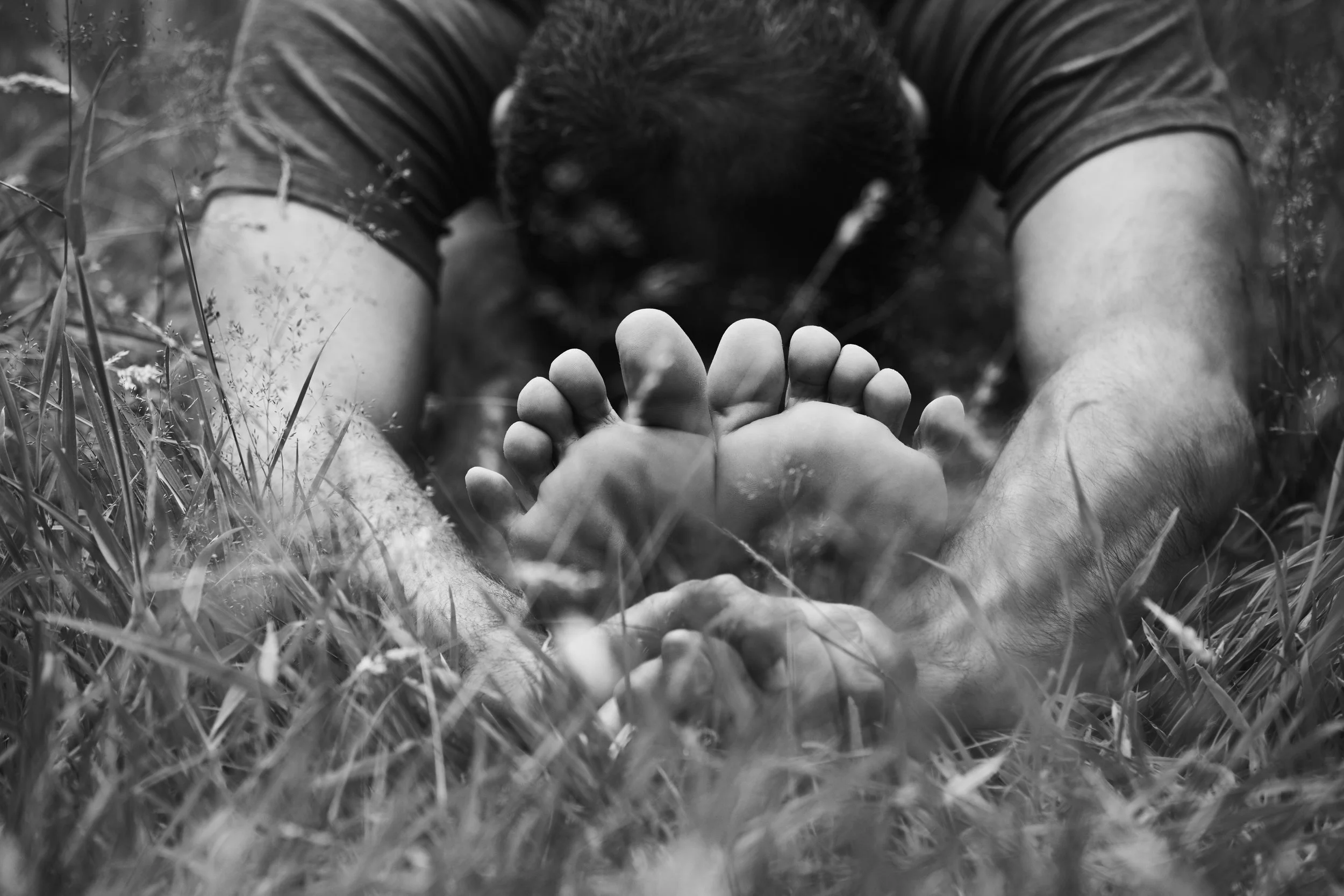
ASHTANGA YOGA
Ashtanga yoga is a flowing form of yoga which creates strength, flexibility and clarity of mind
Ashtanga Vinyāsa Yoga, was brought to light by Sri K. Pattabhi Jois and his teacher Kishnamacharya in the 1930’s. They developed a flowing form of yoga which has six series of postures and drew on an ancient Indian text known as the Yoga Kurunta.
The series include a broad range of postures which are learnt slowly and systematically over a sustained period of time, under the guidance of a traditionally trained teacher. With regular practice Ashtanga Vinyāsa Yoga creates strength, flexibility and clarity of mind. The practice gradually leads the student to rediscover their fullest potential and gain a greater level of awareness.
The practice always starts with Sun Salutations and is followed by a series of standing postures, seated postures and a finishing sequence which includes backbends, inversions and 3 closing seated positions.
Vinyāsa
The heart of this yoga practice is vinyāsa, the synchronisation of movement and breath. Vinyāsa creates internal heat which is essential to the practice; the blood gets thinner and it runs freely through joints and organs removing toxins and expelling them out through sweat. The body becomes supple and strong and the mind focused and clear.
Tristhāna
In Ashtanga yoga we refer to tristhāna which is the union of posture (āsana), breath and dṛṣṭi. Āsanas purify and strengthen the body. The breath used in this practice is known as 'free breathing' or Ujjāyī in Mysore; the inhale and the exhale are the same length and a gentle sound is created. The breath helps to purify the nervous system and quieten the mind. The dṛṣṭi or gaze points, of which there are nine, help to focus and concentrate the mind.
Ashtanga Mysore classes and Led Classes
The traditional way to learn this practice is within a self-practice environment often called 'Mysore style' after Sri K Pattabhi Jois who taught in Mysore. Students are taught individually within a group environment at their own pace. The teacher teaches them a precise sequence of āsanas and provides hands-on adjustments. At the beginning the student may have a short practice but as the student becomes comfortable in the āsana and commits the practice to memory the practice grows with the student, according to their individual needs and physical abilities.
Led classes are there to support the Mysore Style classes: they teach students the proper vinyāsa, the connection of movement with breath. Each āsana has a particular vinyāsa associated with it e.g. Sūrya Namaskār A has nine vinyāsas. Mysore style classes are suitable for everyone, from beginner to experienced practitioner. Led classes are not suitable for complete beginners.
The Bigger Picture
The philosophy that underpins Ashtanga Vinyāsa Yoga is Patañjali Yoga Sūtras, a text which dates to around 450CE. Ashtanga means ‘eight limbs’. The limbs are:
Yāma – Internal purification, social codes of behaviour.
Niyāma – Internal purification, moral codes of conducts.
Āsana – Practice of postures.
Prāṇāyāma – Control of prana or life force.
Pratyāhāra – Withdrawal of the senses.
Dhāraṇā – Concentration.
Dhyāna – Meditation.
Samādhi – Complete absorption.
Students are always introduced to this system through the practice of āsana. A disciplined approach to the practice of āsana will help the student embody the yāmas and niyāmas and must be properly established before attempting prāṇāyāma. The first four limbs are external and the last four internal. According to Sri K. Pattabhi Jois, when the external limbs are strongly established the last four will occur spontaneously.
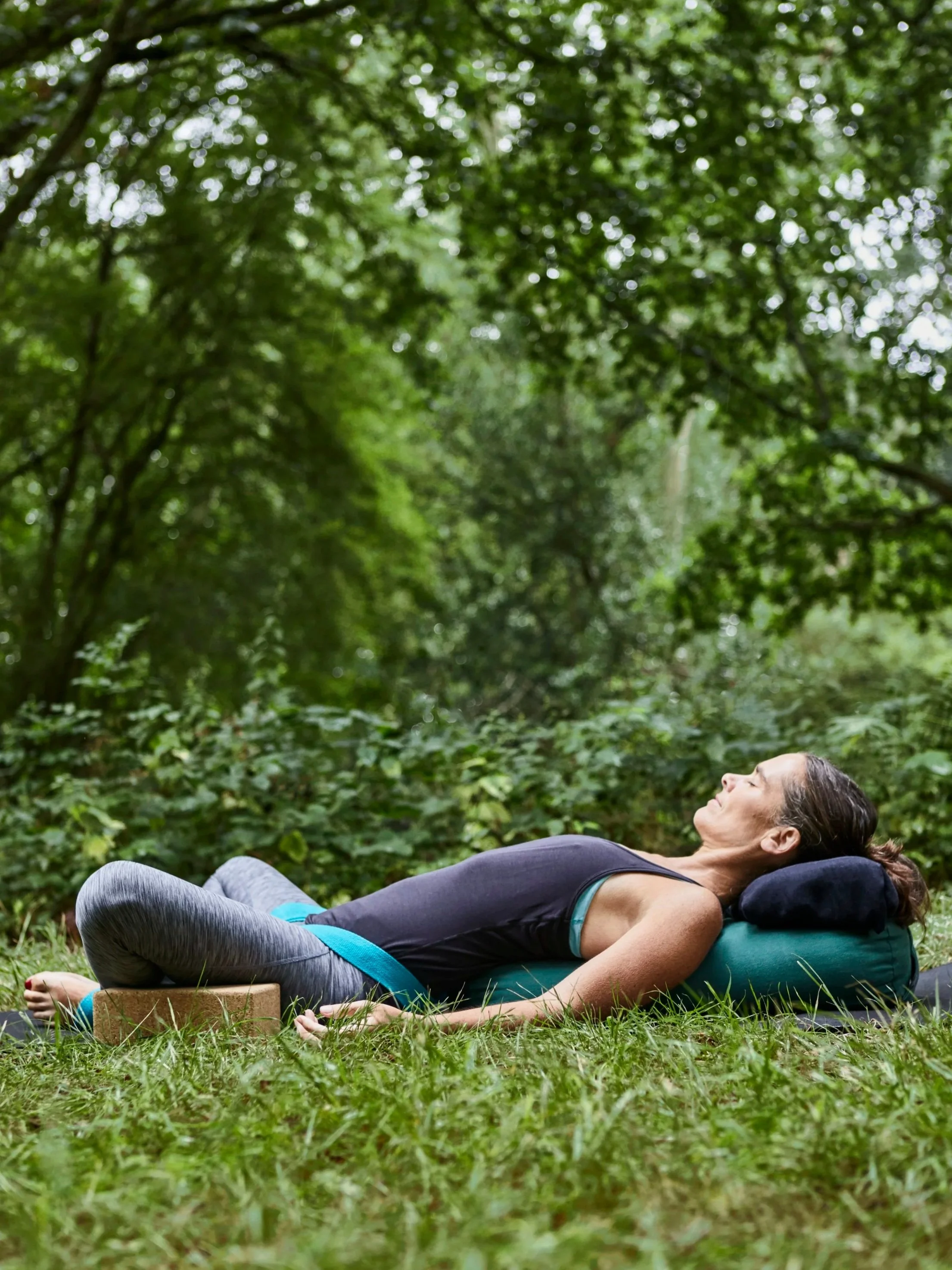
RESTORATIVE YOGA
Restorative yoga is a gentle practice which quietens the mind and induces a state of calm and well-being
It was BKS Iyengar (1918 – 2014), a student of Krishnamacharya (1888 – 1989), who established Restorative yoga but the use of props in yoga predated him.
Restorative yoga poses give us the opportunity to take time out from our busy schedules and consciously relax and rest deeply. There may be a few active postures where muscles are engaged but in most of the positions the body is fully supported and the muscles encouraged to soften. When the body rests it gives the mind permission to quieten and induces a state of calm and well-being. It is a wonderful stand-alone practice and a fantastic complementary practice to Ashtanga yoga.
The practice activates the Parasympathetic Nervous System which slows down the activity of the body. It gives the body mind an opportunity to balance and allows our innate healing process to occur. Restorative yoga will restore energy levels, boost our immune system, reduce blood pressure, improve digestion, improve fertility, reduce muscle tension, help with insomnia, reduce anxiety and general fatigue and release unhelpful physical and emotional holding patterns.
“For me, prop is not only for the āsana. It should contribute to the position of the body which in turn can let the mind be calm and the state of citta-vṛtti-nirodhaḥ be experienced. Body is my first prop. The body is a prop to the soul.”
B.K.S IYENGAR
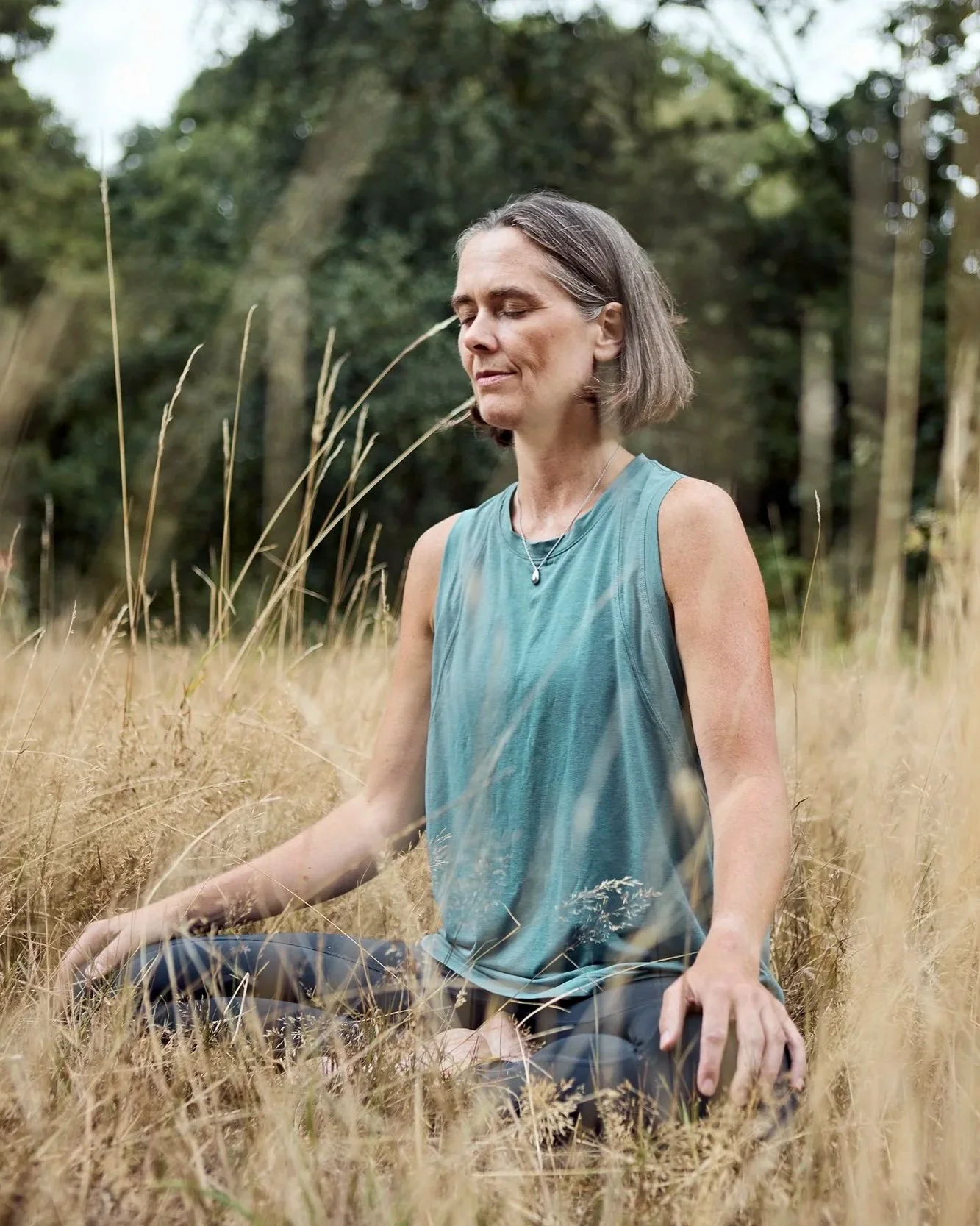
MEDITATION & MINDFULNESS
Meditation gives us the insight necessary to more easily navigate the ups and downs of life and feel happier
While many people associate the word yoga with physical practices, historically the practice of yoga has related to the development of meditative states. The word meditation is the English translation of the sanskrit word dhyāna. Meditation is the concentration on a single subject area, for example the breath. It can also mean contemplating on a single subject area. There are numerous traditions of meditation and techniques, but all share the intent for the meditator to attain higher levels of awareness and knowledge.
When we practise meditation we learn to be with ourselves, which is often not that easy. We begin to understand the nature of our monkey mind with its tendency to jump from one thing to the next. We begin to understand our habitual patterns. We learn to quiet the mind and connect with the deepest aspect of our being. We cultivate the ability to be present. We begin to see more clearly. We learn to appreciate the interconnectedness of all beings. Meditation gives us the insight necessary to more easily navigate the ups and downs of life. We feel happier.